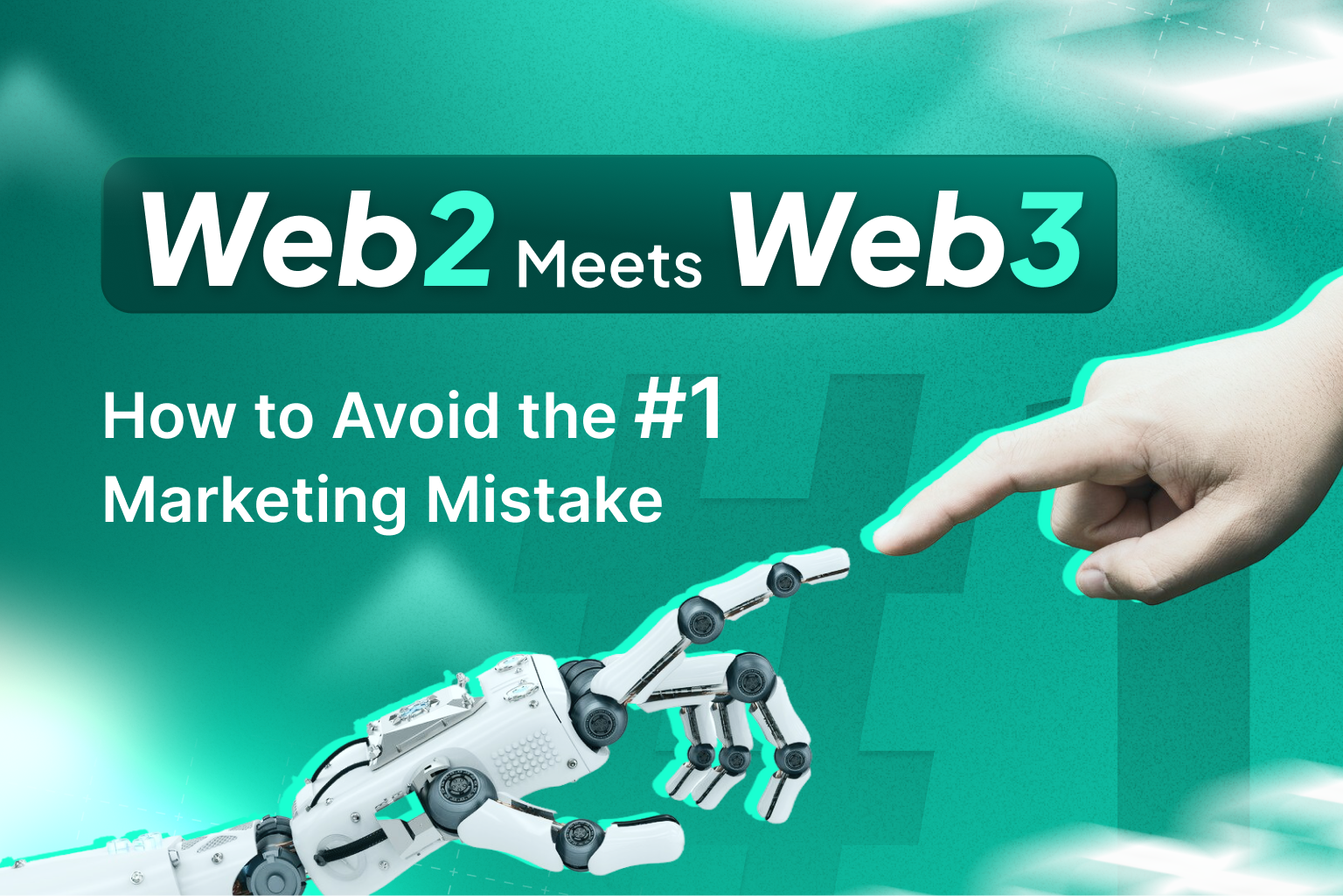
The Internet space is slowly transitioning. Some may not realize it at first, but several companies are now shifting to Web3. However, since this is a new avenue, they often stick with what they usually do, particularly in terms of marketing. They still use ads, influencers, loyalty programs, and such. But these won’t work in the Web3 space, as this one isn’t just a new market; it’s a new culture.
So what, perhaps, is the #1 mistake most brands make? It’s copy-pasting their old playbook. This move doesn’t attract users. Rather, it drives them away. Because in this space, community building is what makes a brand successful. Users want to become more involved in projects. And Web3 brands should give them the platform to do exactly that.
Table of Contents
ToggleWhy Web2 Marketing Initiatives Don’t Work in Web3
If you come from Web2, you must take note that the Web3 space has a different marketing approach. Your old strategy might not work here. Below are the reasons why:
A Different Audience Mindset
Ownership is what differentiates Web3 from Web2. So in this space, users highly value being a part of the decision-making body. They don’t just want to buy your products or use your service. They expect to have an avenue where they can give feedback on your offers. Otherwise, they will walk away.
Community Over Customers
In Web2, you’re chasing sales. In Web3, your priority should be community building. The people who join your project don’t just want to consume; they want to contribute. Think less about “customer acquisition” and more about shared identity.
A Trust Gap You Can’t Ignore
The crypto world is not new to scams and hacks. This is why there are plenty of Internet users who are vigilant when it comes to crypto. And what should brands do to gain users’ trust? Aim for transparency—open code, AMAs, and proof of progress.
Culture Moves at Lightning Speed
In Web2, you might plan a campaign for months. However, in Web3, everything moves quickly. It can take just overnight for trends, narratives, or memes to change.
If you can’t keep up with this type of marketing, you’ll immediately look outdated—even at the moment of your launch.
Tokens Change the Game
In Web3, users expect more than brand stories. They expect to be rewarded for their contribution, as the Web3 space is more about ownership. And in their contribution to improve your project, you have to give them something in return–whether an NFT, token, or even governance rights.
The Most Common Pitfalls Web2 Brands Fall Into
Don’t fret about making mistakes. They are common. But there are several ways to avoid making a costly one. Here’s how:
Talking At the Community
Broadcasting polished messages instead of listening feels tone-deaf. In Web3, communities expect dialogue and co-creation.
Ignoring the Right Platforms
In the Web3 space, it’s no longer just Twitter and LinkedIn that get reach. Platforms that can spark genuine conversations with the brand are more popular, like Discord and Telegram. Brands that skip these miss the heart of the community.
Overproducing Content
In Web3, authenticity matters most. If you’ve poured out resources in expensive video campaigns and ads, chances are, they might not perform as well in Web3 as they did in Web2. What will resonate more with the Web3 audience is rawness. They are more powerful in creating genuine connections with your target audience.
Forgetting Education
Many users are new to wallets, staking, or DAOs. Assuming they already know leads to frustration. Brands that explain clearly and patiently earn lasting trust.
Chasing Hype Over Value
Flash promotions and giveaways pump numbers for a week. But without real utility, these tactics collapse—and damage credibility long term.
What Web2 Companies Can Do Differently
Web3 is only scary when you’re not prepared. Have sufficient knowledge before entering this space. Try to do these first:
Collect Feedback Before Launching
Join different communities. This is where you can get raw and honest insights about different Web3 projects. Collect their opinion and assess their message. Learn their language. Pinpoint what they need. Navigate their culture.
Bring in Crypto-Native Voices
Hiring cryptocurrency marketers who already live in this space helps prevent rookie mistakes. They’re familiar with the jokes, the unspoken rules, and the platforms. They can also inform and educate users in ways that are easy to understand. Plus, they have an audience of their own, which then expands your market.
Start with a Small Project
Test ideas with pilot communities or limited releases. In Web3, overpromising before proving value almost always backfires.
Reward Participation
Tokens, NFTs, or even early-access perks show users they’re more than just numbers in a campaign performance—they’re co-owners of the journey.
Stay Agile
Web3 moves fast. Narratives shift weekly. Brands that can pivot quickly—whether in messaging, incentive systems, or partnerships—win trust and relevance.
Your Next Step: Partner with Skyline
One thing is for sure: the old marketing playbook won’t work in Web3. Brands that do exactly what they did in Web2 will waste money and lose trust. Brands that learn to listen, engage communities, and reward participation will earn loyalty that no billboard or paid ad could ever buy.
And we know that making a shift from Web2 to Web3 marketing won’t come easy. For one, talking to the community will look different from building it with them.
The good news is that there are plenty of providers who’ll help you get your brand all set for Web3, like Skyline. Skyline has been partnering with fintech, crypto, and e-commerce brands and has been creating campaigns designed for Web3 long before it even emerged.
If you’re hesitant to leap into the world of Web3, we’ve got your back. Reach out now–Skyline team is always ready when you are.